

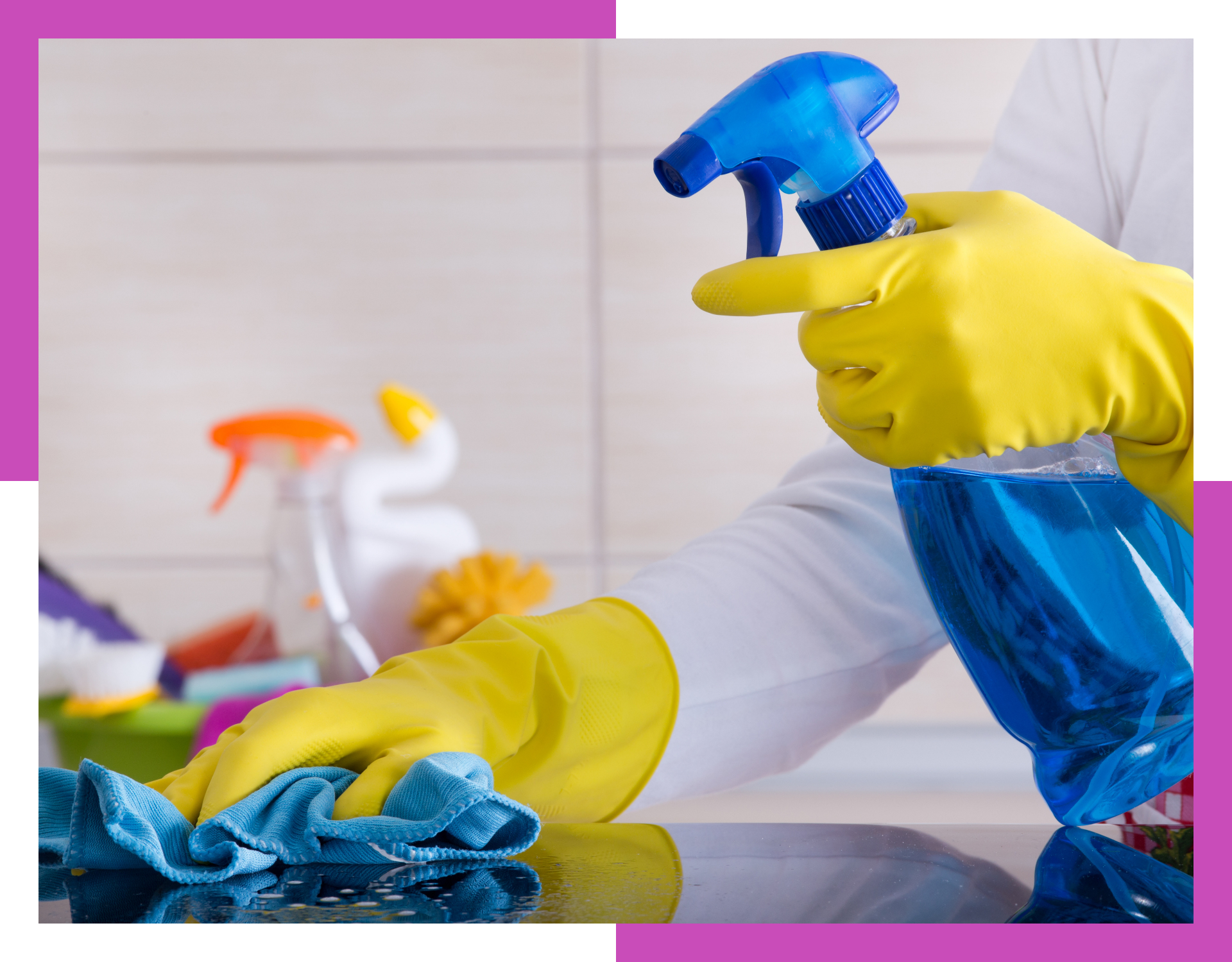
While cleaning one’s own space offers significant mental health benefits, being a professional cleaner can also profoundly impact well-being. In this article, we hope to explore why you should feel better when doing something like cleaning.
Is There A Connection Between Being a Cleaner and Good Mental Health
Reducing Stress and Anxiety
Engaging in cleaning tasks professionally can help reduce stress and anxiety. The repetitive nature of cleaning tasks can be meditative, promoting relaxation and reducing stress levels.
“Cleaning tasks require focus and attention to detail, which can help distract from stress and anxiety,” says Dr. Sherrie Bourg Carter, a psychologist specializing in the effects of environment on mental health. “The rhythmic motions of cleaning can have a calming effect, similar to other forms of repetitive activity.”
A study published in the Personality and Social Psychology Bulletin found that physical activity and routine tasks can help reduce symptoms of anxiety and depression. Professional cleaners often benefit from the structured nature of their work, which can provide a sense of stability and predictability.
Enhancing Focus and Productivity
Being a cleaner involves tasks that require concentration and attention to detail. This focus can enhance cognitive function and overall productivity.
“Cleaning work promotes mindfulness and present-focused awareness,” says Dr. Joseph Ferrari, a professor of psychology at DePaul University. “This can lead to improved cognitive function and a sense of accomplishment after completing tasks.”
A study by Princeton University Neuroscience Institute found that physical clutter competes for attention, leading to decreased performance and increased stress. Professional cleaners help create orderly environments, indirectly fostering improved productivity and mental clarity for others while benefiting from the structured work themselves.

Physical Activity and Its Mental Health Benefits
Cleaning work is inherently physical, offering benefits akin to exercise, which is well-known for reducing stress, anxiety, and depression.
Releasing Endorphins
Engaging in the physical aspects of cleaning stimulates the release of endorphins, the brain’s “feel-good” chemicals, which act as natural painkillers and mood elevators.
“Even light to moderate physical activity, like cleaning, can lead to the release of endorphins, which boost mood and energy levels,” says Dr. Michael Otto, a professor of psychology at Boston University. “This is especially beneficial for individuals who might struggle with traditional forms of exercise.”
Creating a Sense of Control and Achievement
A career in cleaning can foster a sense of control and accomplishment, which are essential for psychological well-being.
Boosting Self-Efficacy
Completing cleaning tasks professionally can boost self-efficacy—the belief in one’s ability to execute tasks successfully. This sense of achievement can enhance mood and increase motivation.
“Completing tasks and seeing tangible results, such as a clean environment, can provide a strong sense of accomplishment,” explains Dr. Martin Seligman, a pioneer in positive psychology. “This enhances self-esteem and overall well-being.”
Building a Routine
Working as a cleaner involves a routine, which can provide structure and predictability—key factors in maintaining mental health. A consistent work schedule can create a sense of normalcy and reduce feelings of chaos.
“A regular work routine can serve as an anchor in your day, providing stability and order,” says Dr. Susan Krauss Whitbourne, a professor of psychological and brain sciences at the University of Massachusetts Amherst. “This can be very comforting and help reduce feelings of unpredictability.”
The Social Benefits of Cleaning Work

Enhancing Social Interactions
Cleaning work often involves interaction with clients, colleagues, and supervisors. These social interactions can reduce feelings of isolation and enhance social well-being.
“Positive social interactions are crucial for mental health and well-being,” says Dr. Jean Twenge, a social psychologist and professor at San Diego State University. “Working as a cleaner provides opportunities to connect with others, which can enhance social connections and reduce isolation.”
Practical Tips for Maximizing the Benefits of Cleaning Work
To harness the psychological benefits of working as a cleaner, consider the following practical tips:
- Stay Mindful: Focus on the task at hand and use cleaning as a form of mindfulness to stay present and engaged.
- Set Goals: Establish daily or weekly cleaning goals to create a sense of purpose and accomplishment.
- Build Relationships: Foster positive relationships with clients and colleagues to enhance social interactions and support networks.
- Maintain a Routine: Stick to a regular work schedule to provide structure and stability in your life.
Conclusion
Being a professional cleaner is more than just a job; it’s a powerful way to improve mental health and well-being. By reducing stress, enhancing focus, and providing a sense of control and accomplishment, cleaning work can significantly contribute to a healthier and happier life. As Dr. Sherrie Bourg Carter aptly summarizes, “An organized environment is not only more efficient but also a place where you can truly feel accomplished and appreciated.”
Embrace the role of a cleaner and experience the myriad psychological benefits that come with creating tidy and organized spaces for others.